
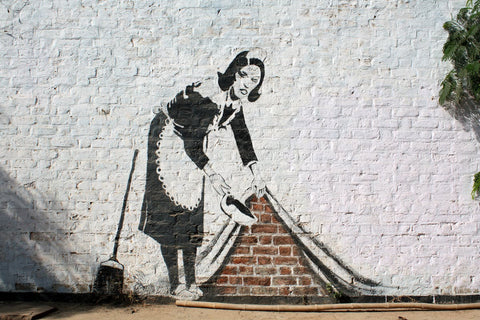
Top Tips on Caring for Your Artwork
Caring for your artwork properly helps preserve its beauty, value, and longevity. Whether you own original paintings, limited-edition prints, textiles, sculptures, or ceramics, each type of artwork requires thoughtful handling and display. Environmental factors such as light, humidity, and temperature can significantly affect art over time, so understanding best practices is essential. Below are key tips to help you care for different types of artworks and choose the best places to display them in your home. You don’t need to be too pedantic about it, but these tips help to ensure the longevity of your artworks.
General Artwork Care Principles
Before focusing on specific materials, a few universal rules apply to most artworks:
- Avoid direct sunlight, which can cause fading, discoloration, and material breakdown.
- Maintain stable temperature and humidity levels; extreme fluctuations can lead to cracking, warping, or mould.
- Handle artworks with clean, dry hands.
- Clean gently and infrequently, using appropriate tools and methods for each medium.
- When in doubt, consult a professional conservator rather than attempting repairs yourself.
Caring for Paintings
Paintings, whether oil, acrylic, or watercolour, are sensitive to light, temperature, and humidity:
- Keep paintings away from direct sunlight and strong artificial light.
- Avoid hanging them above fireplaces, radiators, or heating vents where heat and soot can cause damage.
- Maintain moderate humidity (around 40–55%) to prevent cracking or paint flaking.
- Dust lightly using a soft, dry brush; never use water or cleaning products on the surface.
- If a painting becomes damaged or dirty, seek professional conservation advice.
Caring for Prints
Prints, including lithographs, screen prints, and digital prints, are especially vulnerable to light and moisture:
- Use archival-quality mounts and backing boards to prevent acid damage. Your framer or artist will ensure this is the case.
- Keep prints out of direct sunlight and consider UV-filtering glass or acrylic. Make sure to flag this with your framer! If you can’t afford UV70 glass don’t fret.
- Avoid rolling or folding prints; store them flat when not framed.
- Handle prints by the edges to avoid fingerprints or smudging.
Prints Behind Glass
Framed prints and artworks behind glass benefit from added protection but still require care:
- Choose UV-protective glazing to reduce fading.
- Ensure the artwork does not touch the glass; a mount or spacer should create a small gap.
- Clean glass only, not the artwork inside, using a soft cloth and glass cleaner sprayed onto the cloth, not directly onto the glass.
- Check periodically for condensation inside the frame, which may indicate humidity issues.
Caring for Textiles
Textile artworks such as tapestries, embroidery, or fabric wall hangings are particularly sensitive to light and dust:
- Display textiles away from sunlight and strong artificial lighting.
- Support them evenly when hanging to prevent stretching or sagging.
- Avoid high-humidity areas, which can encourage mould or pests.
- Vacuum gently through a protective screen if cleaning is necessary, or consult a textile conservator.
- When storing, roll textiles with acid-free tissue rather than folding them.
Caring for Sculptures
Sculptures can be made from a wide range of materials, including wood, metal, stone, resin, or mixed media:
- Place sculptures on stable surfaces to prevent tipping or vibration.
- Avoid touching frequently, as oils from skin can damage surfaces over time.
- Dust regularly with a soft brush or microfiber cloth.
- Be mindful of environmental conditions, metal may corrode in damp spaces, while wood can crack in dry conditions.
- Outdoor sculptures should be designed for exterior use and checked regularly for weather-related wear.
Caring for Ceramics
Ceramic artworks are durable but still require thoughtful handling:
- Avoid sudden temperature changes, which can cause cracking.
- Display ceramics on secure surfaces, especially in high-traffic areas.
- Dust gently with a soft cloth; avoid abrasive cleaners.
- For glazed pieces, occasional light cleaning with a barely damp cloth is acceptable, but dry immediately.
- Chips or cracks should be assessed by a professional rather than repaired at home.
Thoughtful care and placement of your artwork can greatly extend its lifespan while allowing you to enjoy it daily. By understanding the needs of different materials and maintaining a stable environment, you protect not only the visual appeal of your collection but also its cultural and financial value. When in doubt, preventative care and professional advice are always the safest choices.
Written by: Emma Lang, Founder of SOTA